
Find cost traps and fix your code
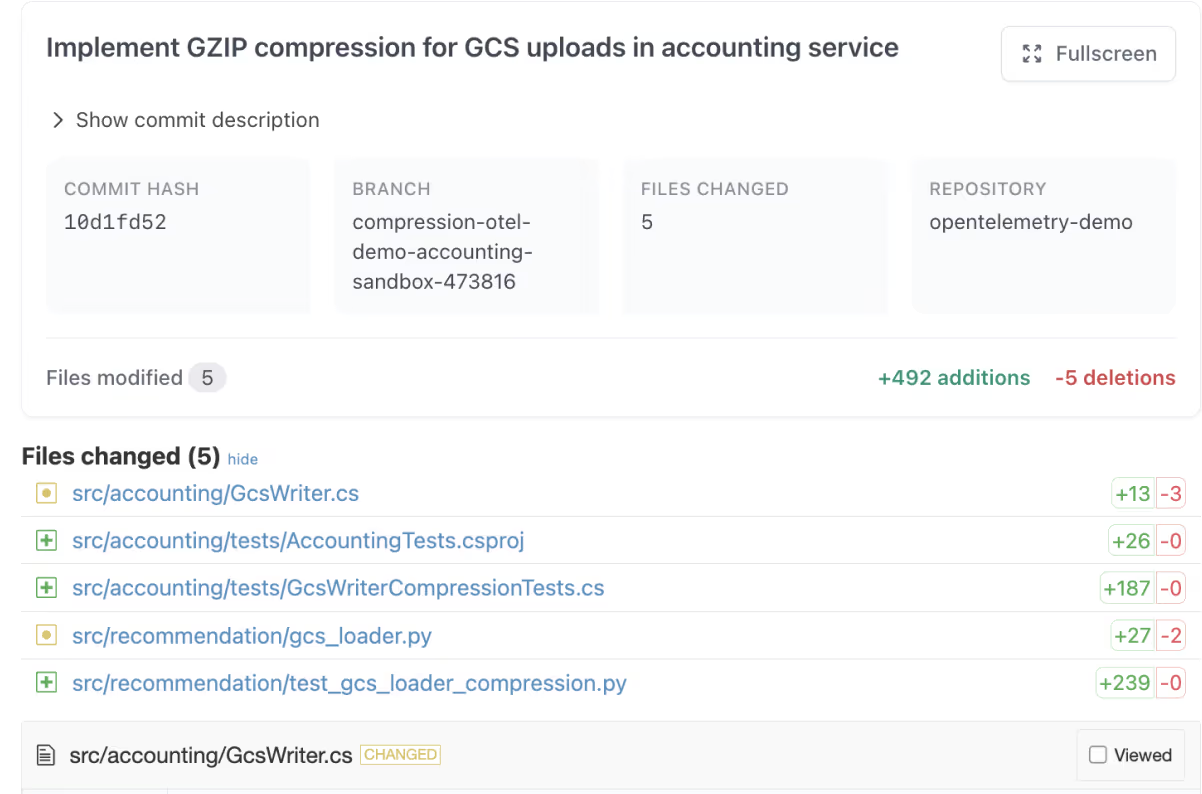

How Frugal Code Works
Attribute Costs to Code
Investigate Cost Hotspots
Apply Frugal Fixes
See Which Services and Code Components Drive Your Cloud Bill
.avif)
.avif)
Find Cost Traps Before They Explode Spend
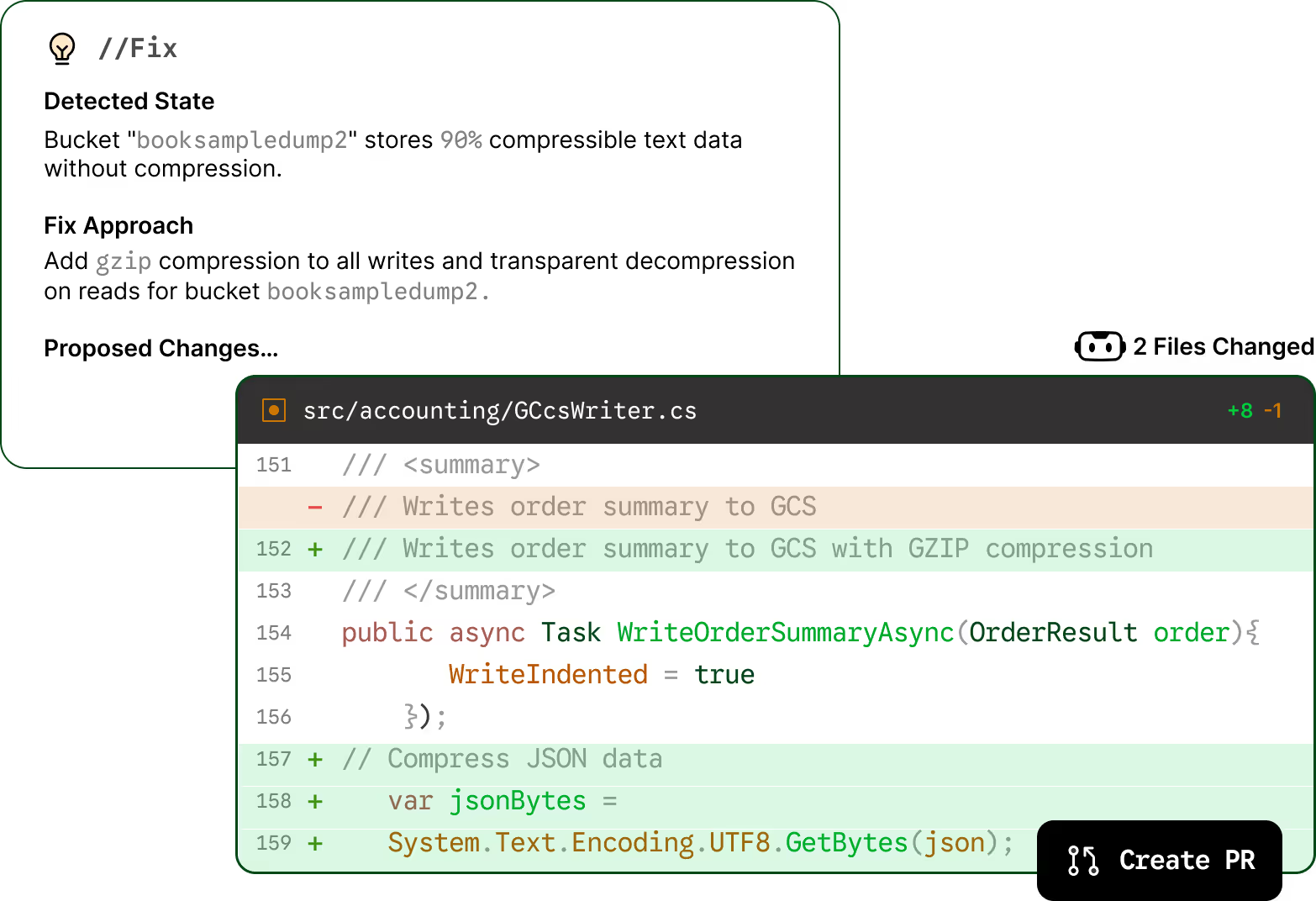
Ship Frugal Fixes That Reduce Wasteful Usage Automatically
.avif)
Keep New Code Within Cost Guardrails From Day One
Cost Engineering on Tap for Developers with Frugalbot
.avif)
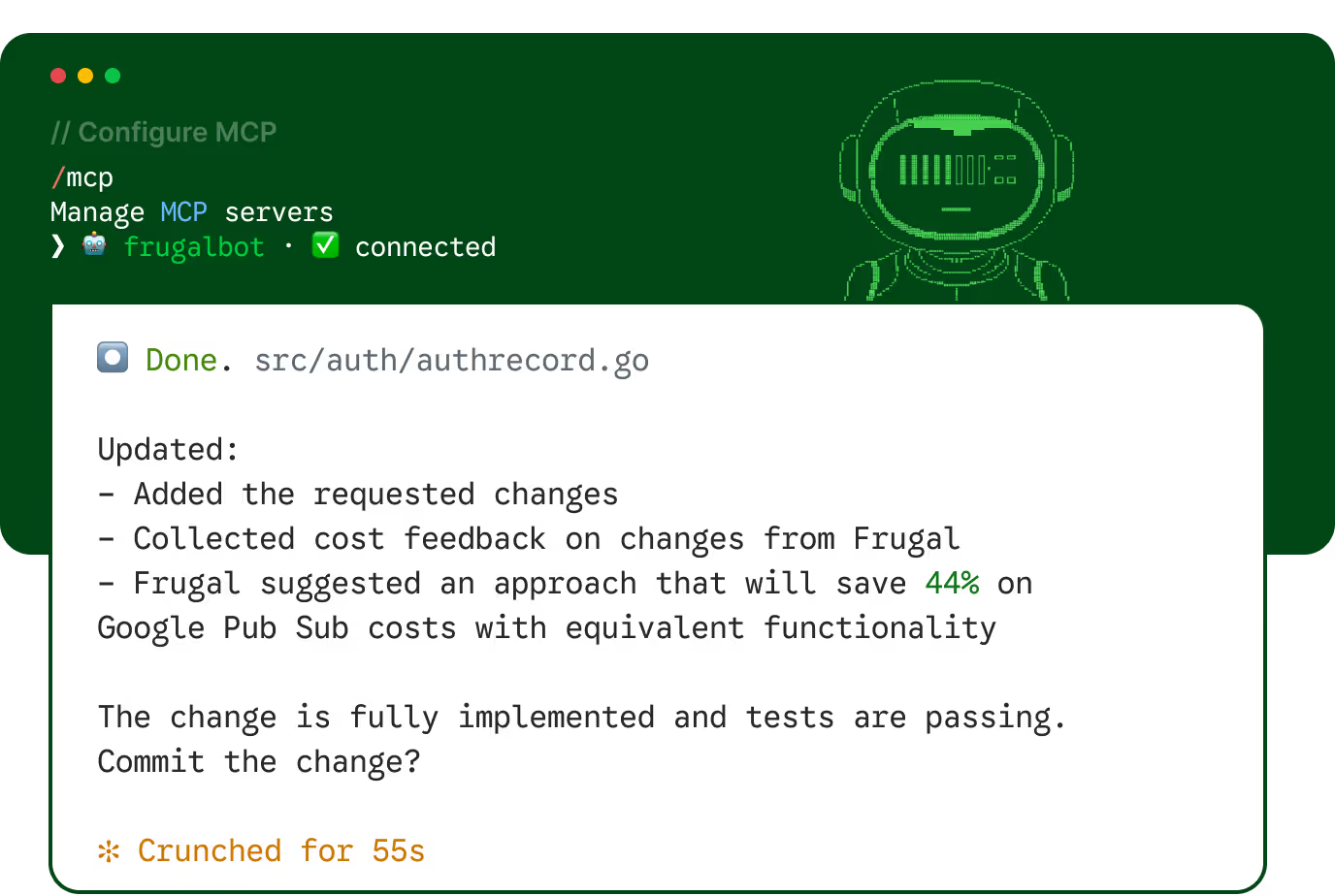
Make Your Coding Agent Frugal
Frequently Asked Questions
What does Frugal Code do?
Frugal Code connects your source, cloud, and observability data to attribute spend to the code that causes it, find inefficient usage, and generate merge ready fixes that lower your cloud and AI bill.
Which services and providers does Frugal support?
Frugal works across usage billed services including AWS, Google Cloud, Datadog, Amazon S3, Google Cloud Storage, Amazon CloudWatch, OpenAI, and Anthropic Claude, and integrates with GitHub, Cursor, and Claude Code.
How does Frugal attribute cloud costs to code?
Frugal analyzes your code base alongside observability and billing data to map each cost to the specific component, service, or feature responsible for it.
What is a Frugal Fix?
A Frugal Fix is a ready to review pull request that resolves an identified cost problem, with the expected savings quantified, so your team can merge it and save in the current sprint.
Does Frugal slow down development?
No. Frugal works inside your existing workflow across the IDE, GitHub, and coding agents, and proposes changes as reviewable pull requests rather than blocking delivery.
Can Frugal review code written by AI coding agents?
Yes. Frugal reviews changes from both human developers and AI coding agents for cost impact and recommends optimizations before the code reaches production.
.avif)